Cools Water Through Evaporation

Recirculates Water

Reduces Operating Cost

Enables 24/7 Operation
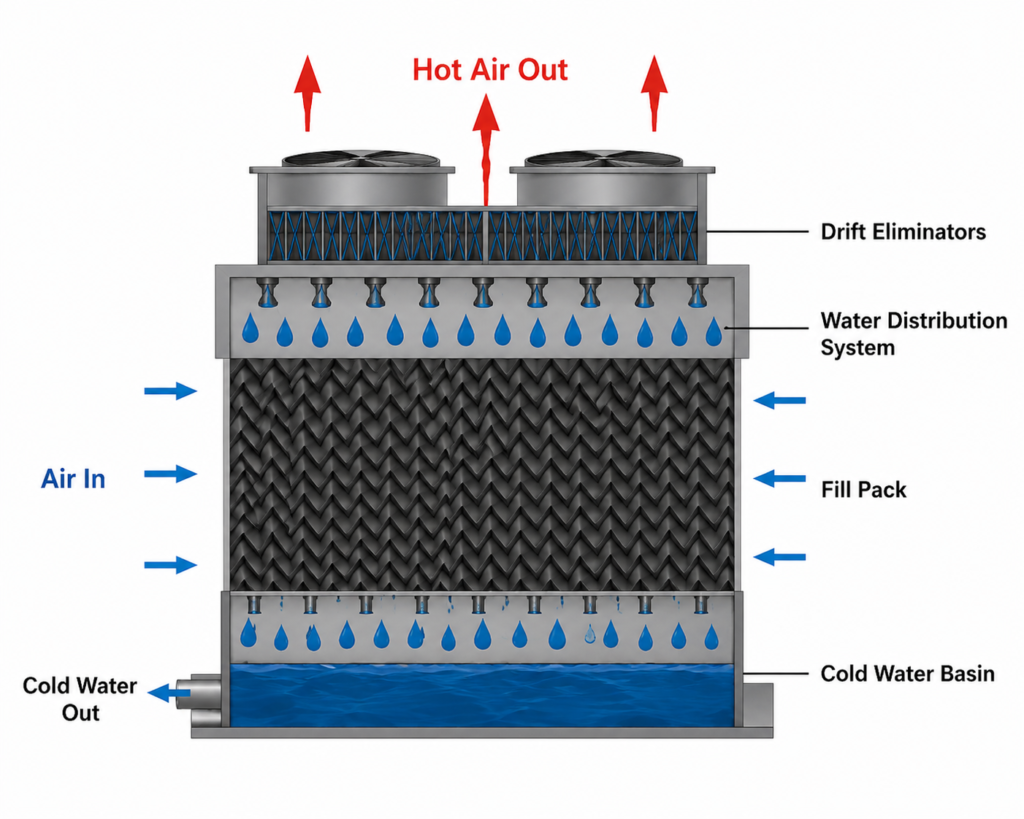
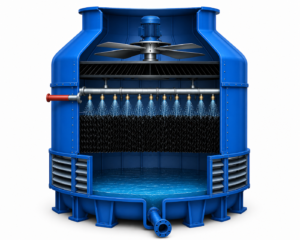 Mechanical Draft Cooling Tower
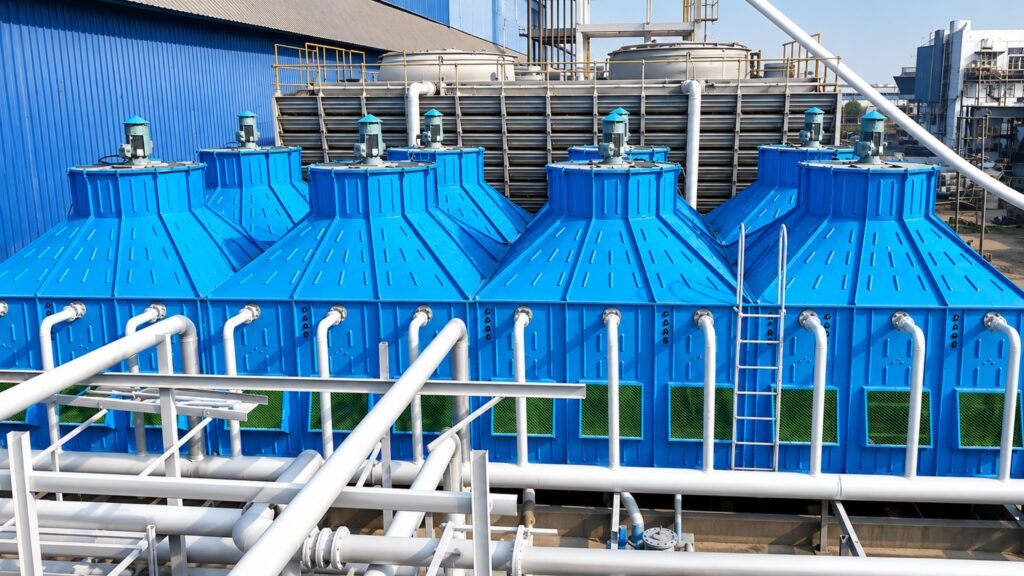
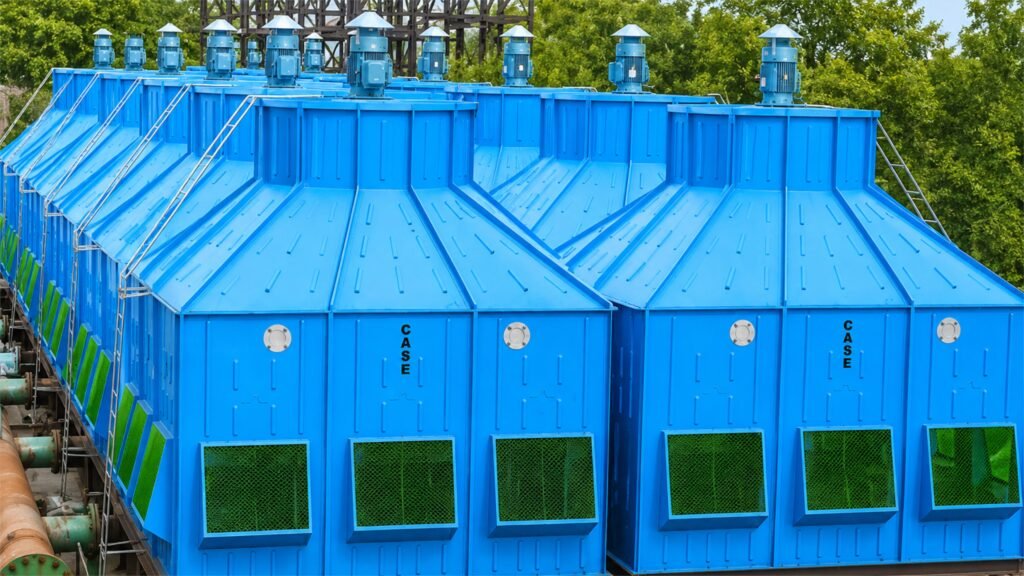
Uses mechanical fans to move air through the tower, either by forcing it in or drawing it out. It provides efficient cooling and is widely used in industrial and commercial applications.
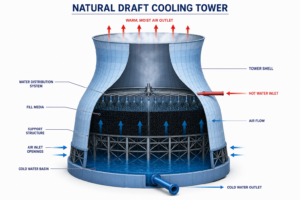 Natural Draft Cooling Towers
Operate without mechanical fans, using the natural chimney effect to circulate air. They are ideal for large power plants and heavy industrial facilities with low operating costs.
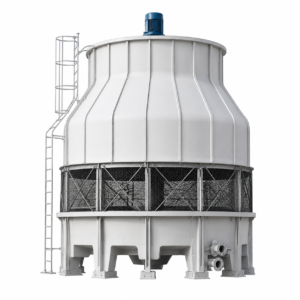 Induced Draft Cooling Towers
A fan mounted at the top draws air upward through the fill media, delivering high cooling efficiency with low noise. Available in both counterflow and crossflow designs
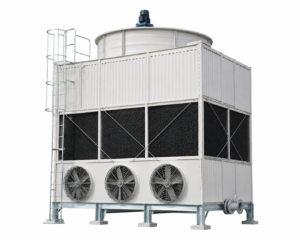 Forced Draft Cooling Towers
A fan located at the air inlet forces fresh air into the tower. They provide reliable airflow but may have higher noise levels and a greater chance of air recirculation.
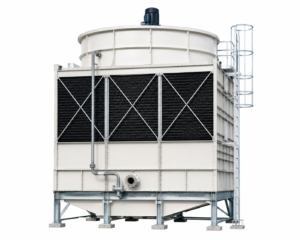 Counterflow Cooling Tower
Air flows upward while water flows downward, maximizing heat transfer efficiency. Its compact design makes it suitable for applications where space is limited.
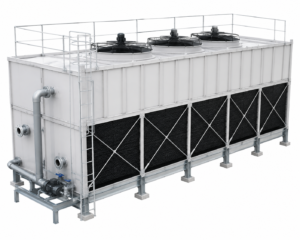 Crossflow Cooling Tower
Air flows horizontally across the downward flow of water through the fill media. It offers easy maintenance, lower pumping head, and reliable cooling performance.
 Power Plants
 Steel Plants
 Chemical Industries
 Petrochemical Plants
 Food Processing Industries
 Pharmaceutical Industries
 HVAC Systems

Paper & Pulp Industries

Textile Industries
 Cement Plants
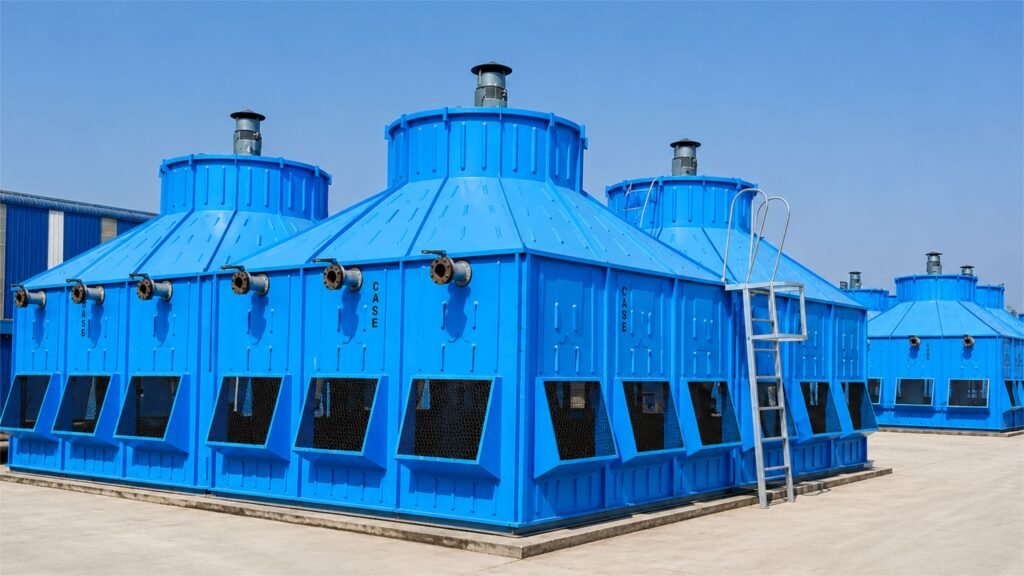
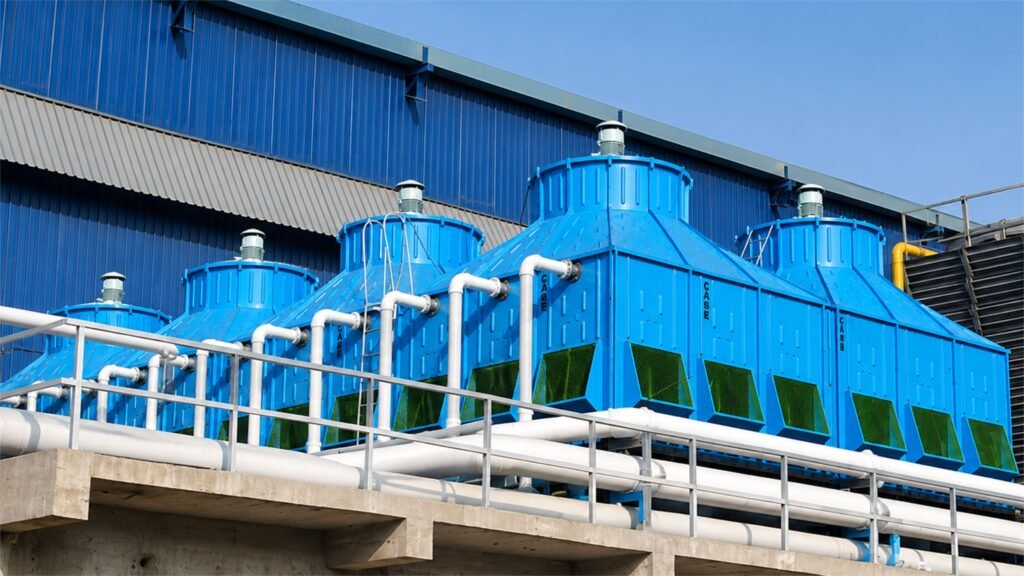
 This RT series consists of cooling towers, which are square / rectangular in shape. The series is specially designed for high water flow rates because of its multi cell feature. A number of cells can be clubbed together forming multi cell cooling tower thus giving the end user performance and efficiency.
 This type of Cooling Tower is round bottle shaped in design. They come in completely knocked down condition. This feature enables them to be easily and economically transported and can be effortlessly installed on high-rise buildings
 As the name suggests, these Cooling Towers are constructed of RCC outer structure. These Cooling Towers are permanent structures in the industry and find a place where the water requirement is of very high capacities for e.g. in huge fertilizer plants, power plants etc
 This is a contractor’s delight!! No nuts & bolts. Minimum usage of steel. The SQ series cooling tower is designed keeping in mind the small applications of the Cooling Tower. These Cooling Towers can dispatch in totally erected form from our works resulting in no botheration of erection at site.
 Also, known as Timber Cooling Tower, this type of cooling device is constructed with chemically treated wood. The wood structure tower is designed with counter/cross flow design, suitable for industrial use in steel mills, Petrochemical mills etc.